41 Watercolor Pink Rose Clipart: Your New Secret Design Weapon
There’s something undeniably captivating about the soft, fluid strokes of a watercolor painting. It feels personal, organic, and effortlessly elegant. Now, imagine capturing that delicate artistry and applying it to your digital projects. That’s the magic of high-quality clipart, especially when it centers on a universally beloved subject: the rose. A well-curated set of watercolor floral elements doesn’t just add decoration; it infuses your work with emotion and sophistication.
More Than Just a Pretty Picture: The Anatomy of a Useful Asset
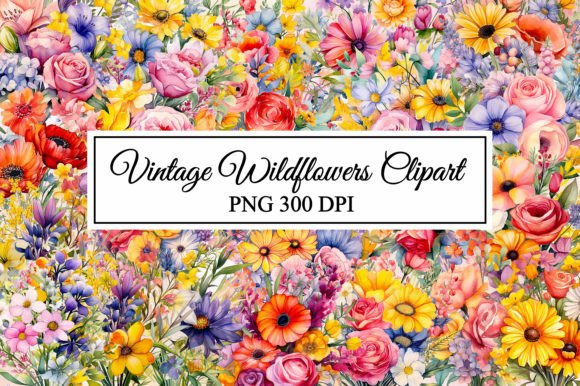
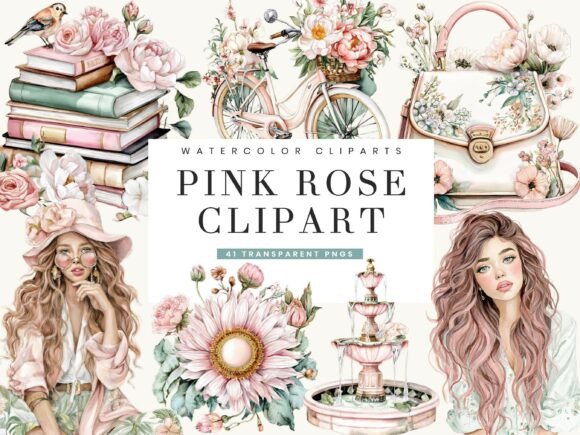
When we talk about a premium digital asset, we’re not just discussing a single image. We’re talking about a tool designed for real-world application. A thoughtfully constructed bundle, like one featuring 41 unique watercolor pink rose illustrations, offers incredible versatility. Each piece is typically provided as a high-resolution PNG with a transparent background. This technical detail is crucial—it means you can layer these roses over any color, pattern, or texture without dealing with awkward white boxes. The 300 DPI quality ensures that whether you’re designing a tiny sticker for a planner or scaling up for a large poster, the lines remain crisp and the colors vibrant. This isn’t about slapping a generic image onto a page; it’s about integrating professional, hand-painted artistry seamlessly into your work.
From Screen to Print: A Universe of Creative Applications
The true value of a versatile clipart collection is unlocked in its application. Think beyond simple scrapbooking. For the small business owner, these elements can become foundational to a brand identity. A single, beautifully rendered rose can be stylized into a minimalist logo for a boutique, a florist, or a skincare line. It sets a tone of natural beauty and care before a customer even reads a word.
For the content creator or marketer, watercolor florals are a powerhouse for social media graphics. They can frame quotes, highlight announcements in Instagram Stories, or add a consistent, branded touch to Pinterest pins. In web design, they can serve as subtle background accents, section dividers, or featured images that break up text and guide the reader’s eye. The softness of the watercolor style provides a visual rest, making digital spaces feel more welcoming and less sterile.
The applications extend beautifully into the physical realm. Imagine these roses on packaging design for handmade soaps or candles, on invitation suites for weddings and baby showers, or as part of a merchandise line for tote bags and notebooks. For publishers and bloggers, they can add a touch of elegance to editorial layouts and blog headers, enhancing the reader’s experience without distracting from the written content. The bundle provides a cohesive toolkit to maintain a consistent aesthetic across every touchpoint, strengthening visual consistency and brand recognition.
A Practical Guide to Integrating Floral Clipart
Having a beautiful asset is one thing; using it effectively is another. Here’s how to make watercolor rose clipart work hard for you:
- Start with Your Palette: Before you even open the file, consider your project’s color scheme. The soft pinks and greens in the roses can either complement your existing palette or serve as the starting point for a new one. Pull one or two accent colors from the artwork to create a harmonious look.
- Scale and Context Matter: A large, single rose makes a stunning hero image or logo mark. A cluster of smaller buds can create a beautiful border or pattern. Don’t be afraid to resize and rotate elements to create organic arrangements. For packaging design, consider how the elements will wrap around a box or label.
- Layer with Purpose: Use the transparent background to your advantage. Layer a rose over a textured paper background for a vintage journal feel, or place it behind a bold, modern sans serif font for a striking contrast that balances femininity with contemporary strength. This interplay between delicate artwork and strong typography is a hallmark of professional graphic design.
- Less Can Be More: Sometimes, a single, strategically placed rose is more impactful than a full bouquet. Use it as a focal point on a business card or as a subtle accent on a website footer. This approach maintains a clean, professional presentation while still conveying the desired aesthetic.
Ensuring Cohesion and Professional Polish
One of the greatest challenges in design is maintaining a unified look, especially when creating a suite of materials. A cohesive clipart bundle solves this problem. Using the same style of rose across your Instagram feed, your website, and your printed thank-you cards creates a subconscious thread that ties your entire brand presence together. This consistency builds trust and makes your work look intentional and polished.
When incorporating these florals, always consider the readability of your text. Place busy, detailed arrangements behind solid-colored text boxes or use them in areas with ample negative space. Pair the organic, flowing style of the watercolor with clean, legible typography—perhaps a classic serif font for body copy or a simple handwritten font for accents. The goal is harmony, not competition, between your imagery and your message.
Finally, always review the licensing terms of any design assets you purchase. Most bundles for commercial use allow you to incorporate the elements into your end products for sale, but it’s your responsibility to understand the boundaries. This due diligence protects you and ensures you’re using these beautiful resources ethically and legally.
In the end, a resource like a comprehensive watercolor pink rose clipart set is more than just a decorative item. It’s a versatile toolkit for storytelling, brand-building, and adding a layer of human touch to digital creations. It allows you to harness the timeless appeal of hand-painted art and apply it with precision and creativity, elevating your projects from ordinary to memorable.