Springtime Charm: Using Whimsical Garden Clipart in Design
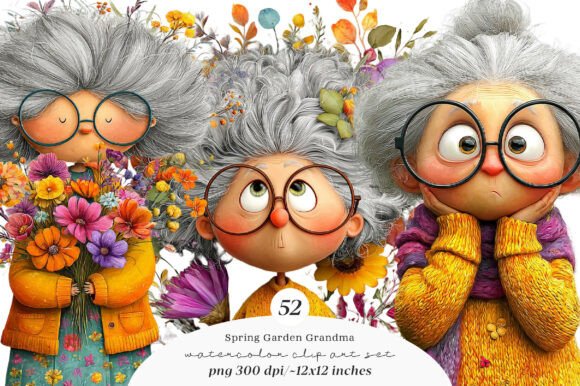
There is a distinct warmth that radiates from imagery reminiscent of a grandmother's garden—a mix of nostalgia, blooming flowers, and the soft pastels of early spring. In the world of visual design, capturing that specific feeling can be challenging with standard stock photography. This is where the specific aesthetic of Whimsical Spring Garden Grandma Clipart comes into play. It is not just about placing flowers on a page; it is about invoking a narrative of care, growth, and vintage charm. For designers, small business owners, and content creators, having access to a cohesive library of these illustrations offers a shortcut to creating designs that feel instantly welcoming and deeply personal.
The Visual Language of Vintage Florals
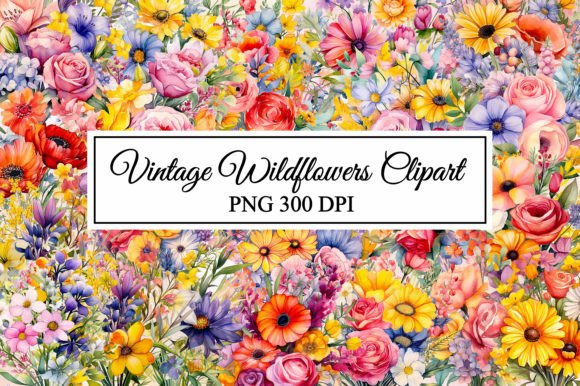
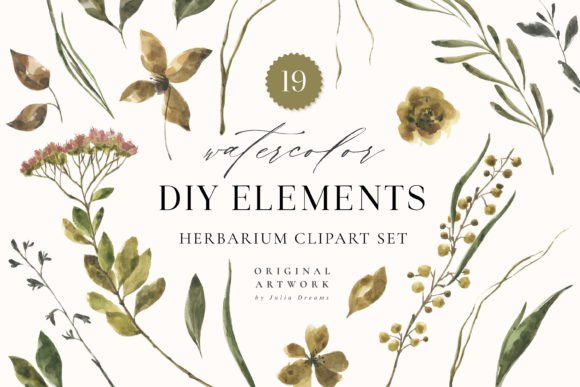
When we talk about "whimsical" or "grandma" styles in design, we are generally referring to a specific visual language that breaks away from the rigid geometry of modern minimalism. This style often features hand-drawn elements, imperfect lines that mimic real sketches, and a color palette grounded in soft greens, dusty pinks, and creamy whites. Unlike generic clipart, which can feel sterile, this aesthetic thrives on texture and personality.
The appeal lies in its versatility. While the name suggests a niche use, the reality is that soft, organic illustrations are trending heavily in modern branding. We are seeing a move away from harsh, corporate vectors toward designs that feel "human." By utilizing a collection like this, you aren't just adding decoration; you are adding a layer of authenticity. The illustrations act as visual anchors that tell the viewer, "This brand cares about details and tradition," or "This product is made with natural ingredients." It bridges the gap between digital perfection and the organic imperfection of nature.
Practical Applications for Branding and Marketing
One of the most significant advantages of a comprehensive clipart set is the ability to maintain visual consistency across multiple platforms. In branding, consistency is the bedrock of recognition. When you have access to 52 distinct PNG files with transparent backgrounds, you possess a toolkit that can unify your entire visual identity.
Consider a small business owner launching a new skincare line or a bakery. The Whimsical Spring Garden Grandma Clipart can serve as the foundation for the packaging design. Instead of a plain label, imagine a jar wrapped in a delicate vine illustration or a box adorned with vintage wildflowers. This immediately elevates the perceived value of the product, turning a simple container into a piece of gift-worthy stationery.
For those in the digital space, the applications are equally robust:
- Social Media Graphics: Creating cohesive Instagram grids or Pinterest pins becomes significantly easier when you have a library of matching elements. You can use a single flower as an accent on a quote post or create complex collages for seasonal announcements.
- Website and Blog Design: Customizing a WordPress or Shopify theme can be difficult for those without coding skills. Clipart allows you to create custom header images, sidebar graphics, or "About Me" illustrations that break up text and guide the reader's eye.
- Logo Design Elements: While a complex illustration shouldn't be the entirety of a logo due to scalability issues, these elements are perfect for secondary branding assets. Think of the small icon next to your website name, the watermark on your photos, or the pattern inside a business card envelope.
Beyond Digital: Print and Merchandise
While digital assets are crucial, the true test of a high-quality clipart file is how it holds up in print. This is where technical specifications matter. The difference between an amateur design and a professional product often comes down to resolution. Low-resolution images pixelate when stretched, ruining the tactile experience of a physical product.
A collection designed at 300 DPI and sized at 12 x 12 inches is specifically engineered for heavy-duty print work. This dimension is the standard for scrapbook paper, meaning you can tile these images or use them as full-page backgrounds without quality loss. For entrepreneurs creating merchandise, this is non-negotiable. Whether you are printing on tote bags, ceramic mugs, or sublimation tumblers, the file must be crisp.
Think about the "Grandma" aesthetic in the context of physical gifts. A greeting card featuring a hand-drawn garden scene feels much more personal than a generic store-bought card. A t-shirt with a vintage floral arrangement appeals to a demographic that values cottagecore and vintage aesthetics. By having these files organized in well-structured folders, you streamline your production workflow, allowing you to move from concept to finished product much faster.
Creative Uses for Content Creators and Hobbyists
Not everyone using these assets is running a global corporation. For hobbyists, scrapbookers, and digital planner enthusiasts, the value lies in the joy of creation. Digital planning has exploded in popularity, and users are constantly looking for unique "stickers" to decorate their tablets. A set of whimsical garden elements provides endless possibilities for customization, allowing users to mark seasons, highlight appointments, or simply beautify their daily schedules.
Furthermore, this style of clipart is perfect for editorial design. If you are self-publishing a book—perhaps a cookbook, a poetry collection, or a gardening guide—commissioning custom illustrations can be prohibitively expensive. A curated clipart set acts as a premium font equivalent for imagery. Just as you choose a typeface to set the mood of your writing, you choose illustrations to set the scene. The whimsical garden style pairs exceptionally well with serif fonts and script fonts, creating a reading experience that feels elegant and timeless.
Integrating Imagery with Typography
Speaking of typography, the success of your clipart usage often depends on how well it interacts with your text. This is where font pairing becomes essential. The whimsical, organic nature of garden illustrations can clash with ultra-modern, geometric sans serif fonts. Instead, the imagery usually calls for softer typographic choices.
Here is a practical approach to pairing:
- The Header: Use a handwritten font or a flowing script font for main titles. This mimics the hand-drawn nature of the clipart and establishes a cohesive artistic voice.
- The Body Text: Pair the artistic header with a highly readable, clean serif font. This ensures that your message remains legible while maintaining the classic, vintage vibe.
- The Accents: Use the clipart to frame your text. Place a floral element at the corner of a text box or use a vine to underline a section header. This creates a professional presentation where text and image feel integrated rather than pasted together.
When designing for brand identity, remember that the goal is readability. A beautiful image means nothing if the audience cannot read the sale price or the event details. Use the transparent PNGs to create "breathing room" around your text blocks, ensuring the visual hierarchy is clear.
Organizing Your Workflow for Maximum Efficiency
A common pain point for creatives is asset management. We have all been there: searching through a chaotic "Downloads" folder for that one specific flower illustration. High-quality digital products often come with a solution to this problem. When a set is delivered in well-organized folders, it respects the user's time.
For a busy creative entrepreneur, efficiency is currency. Having assets categorized—perhaps by color, type, or theme—means you can drop elements into a design without interrupting your creative flow. It turns the clipart from a static collection into a dynamic part of your design toolkit.
Ultimately, the Whimsical Spring Garden Grandma Clipart offers more than just pretty pictures. It provides a cohesive aesthetic system. It allows a brand to speak a language of warmth, a designer to solve visual problems with elegance, and a hobbyist to express their creativity without limits. Whether you are printing a t-shirt, designing a wedding invitation, or building a website, these assets provide the texture and personality needed to make your work stand out in a crowded digital landscape.