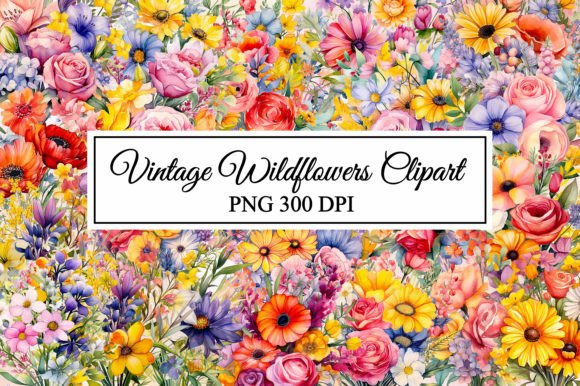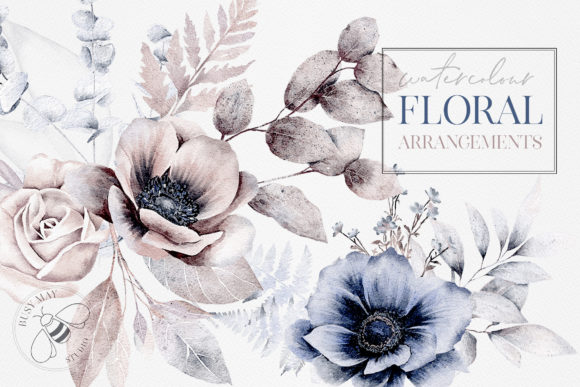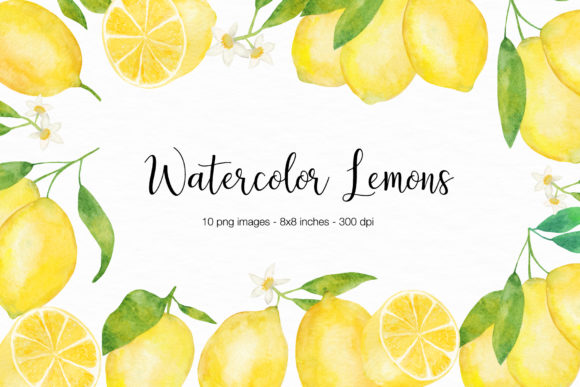
Timeless Beauty with Lily Flower Watercolor Design Assets
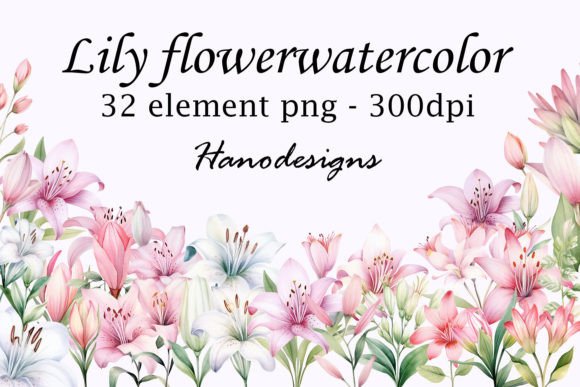
There is an undeniable elegance to a hand-painted watercolor lily. The soft, bleeding edges of the petals, the subtle gradients of color that shift from a delicate pink or crisp white to deep greens in the stem—it captures a piece of nature that feels both organic and artistic. For those of us working in design, whether we are building a brand from scratch, launching a new product line, or simply creating beautiful stationery, finding assets that convey this level of authentic artistry can be a game-changer. This is exactly where the charm of Lily Flower Watercolor comes into play. It bridges the gap between fine art and practical application, offering a tool that adds instant sophistication to almost any visual project.
The Art of Authenticity in Modern Branding
In a market saturated with sharp digital vectors and flat design, the return to organic textures is refreshing. When we talk about visual identity, we aren't just talking about a logo; we are talking about the feeling a customer gets when they look at your product. Watercolor textures are incredibly effective at evoking emotion. They suggest patience, craftsmanship, and a connection to the natural world. If you are a small business owner in the wellness, beauty, floral, or lifestyle sector, incorporating these elements can set you apart. It signals to your audience that you value quality and aesthetics.
However, using watercolor effectively in a commercial setting requires high-quality assets. You need images that are crisp enough to print on physical merchandise but versatile enough to layer over digital backgrounds. This is why having access to a robust library of elements is crucial. For instance, having a collection of 24 high-resolution PNG files at your disposal allows for significant creative freedom. You aren't limited to a single image; you can mix and match blooms, buds, and leaves to create unique compositions every time.
Practical Applications for Print and Digital
The versatility of these graphics is perhaps their strongest selling point. Because the files are prepared at 300 DPI and are print-ready, the transition from screen to physical product is seamless. This eliminates the headache of pixelation or color shifting that often plagues designers when moving from web to print.
Consider the world of stationery and events. Wedding invitations, for example, rely heavily on floral motifs to set the tone. A soft watercolor lily can transform a standard piece of cardstock into a treasured keepsake. It works beautifully for save-the-dates, RSVP cards, and menu designs. Beyond weddings, think about greeting cards, birthday invitations, or even thank-you notes for your customers. The aesthetic appeal of these graphics makes them ideal for scrapbooking enthusiasts who want to add a professional touch to their memory books.
On the commercial side, the applications are just as broad. If you run a print-on-demand business, you know that design variety is key. These assets are perfect for:
- Apparel: T-shirts and tote bags often look best with artistic, distressed prints rather than harsh digital lines.
- Drinkware: Mugs and tumblers featuring delicate floral wraps are perennial bestsellers.
- Stationery: Custom planners, journals, and bookmarks.
- Home Decor: Posters, wall art, and printable decorations.
The fact that you receive a zip file containing 32 PNG files in a larger set ensures that you have enough variety to keep your inventory fresh without needing to purchase new assets constantly. It’s about building a sustainable design library.
Elevating Your Digital Presence
While print is important, the digital landscape is where most brands live day-to-day. Visual consistency across social media platforms like Instagram, Pinterest, and Facebook is vital for brand recognition. Using Lily Flower Watercolor elements in your social media graphics can create a cohesive "look" that makes your feed instantly recognizable.
Imagine using a soft floral overlay on your Instagram Stories to frame a text announcement, or using a single bloom as a background for a quote post. It adds texture and depth that a plain colored background simply cannot achieve. For web designers and bloggers, these assets work wonderfully as website headers, background textures, or dividers between sections. They add a touch of luxury to a landing page without compromising load times or readability, provided they are optimized correctly.
Furthermore, if you are creating digital products—such as digital planners, educational worksheets, or marketing PDFs—incorporating these watercolor elements can significantly increase the perceived value of your product. It shows that you have put effort into the presentation, which often justifies a higher price point.
Integrating Florals into Your Design Workflow
One of the challenges designers face is balancing intricate imagery with legibility. A watercolor background is beautiful, but if it competes with your text, your message gets lost. The key is to use these assets strategically. You can use a full bloom as a hero image, or you can use smaller elements like buds and leaves to accent corners and margins.
When pairing these graphics with typography, contrast is your best friend. Because the Lily Flower Watercolor style is organic and flowing, it pairs exceptionally well with clean, modern sans-serif fonts. The sharp geometry of a sans-serif typeface creates a beautiful tension against the soft, blurry edges of the watercolor. Alternatively, for a romantic or vintage vibe, pairing the florals with a delicate script font can create a cohesive, dreamy aesthetic.
Color theory also plays a role here. The watercolor style often features translucent layers. If you are placing these images over a colored background, be mindful of how the colors interact. Since the files are high-resolution PNGs, they will typically have transparent backgrounds, allowing you to layer them over patterns, photos, or solid colors effortlessly.
Commercial Use and Licensing
For entrepreneurs and freelancers, the usability of an asset often comes down to licensing. It is essential to understand what you can and cannot do with the graphics you purchase. Most premium assets come with a license that allows for commercial use, meaning you can sell the physical products you create using these designs. However, it is always best practice to review the specific terms provided with your download.
Knowing that you have the rights to use these images on merchandise gives you peace of mind. It allows you to scale your business without worrying about copyright infringement. Whether you are a hobbyist selling a few items on Etsy or a marketing professional creating assets for a large client, having print-ready files with clear usage rights streamlines the creative process.
Ultimately, the goal of any design asset is to solve a problem or fulfill a need. The Lily Flower Watercolor collection solves the need for high-quality, versatile, and emotionally resonant imagery. It saves you the time and expense of commissioning original watercolor paintings while still giving you that bespoke, hand-crafted look. By integrating these elements into your toolkit, you equip yourself to produce professional, engaging, and beautiful work across a multitude of platforms and products.